

Ancient Genomes Reveal Neolithization in Northern East Asia
New ancient genomes from the Donghulin site illuminate the Paleolithic–Neolithic shift in northern East Asia, revealing a deep lineage and complex population changes during early farming.


Expert articles, research insights, and the latest in genetic science. Stay informed with our team's discoveries.
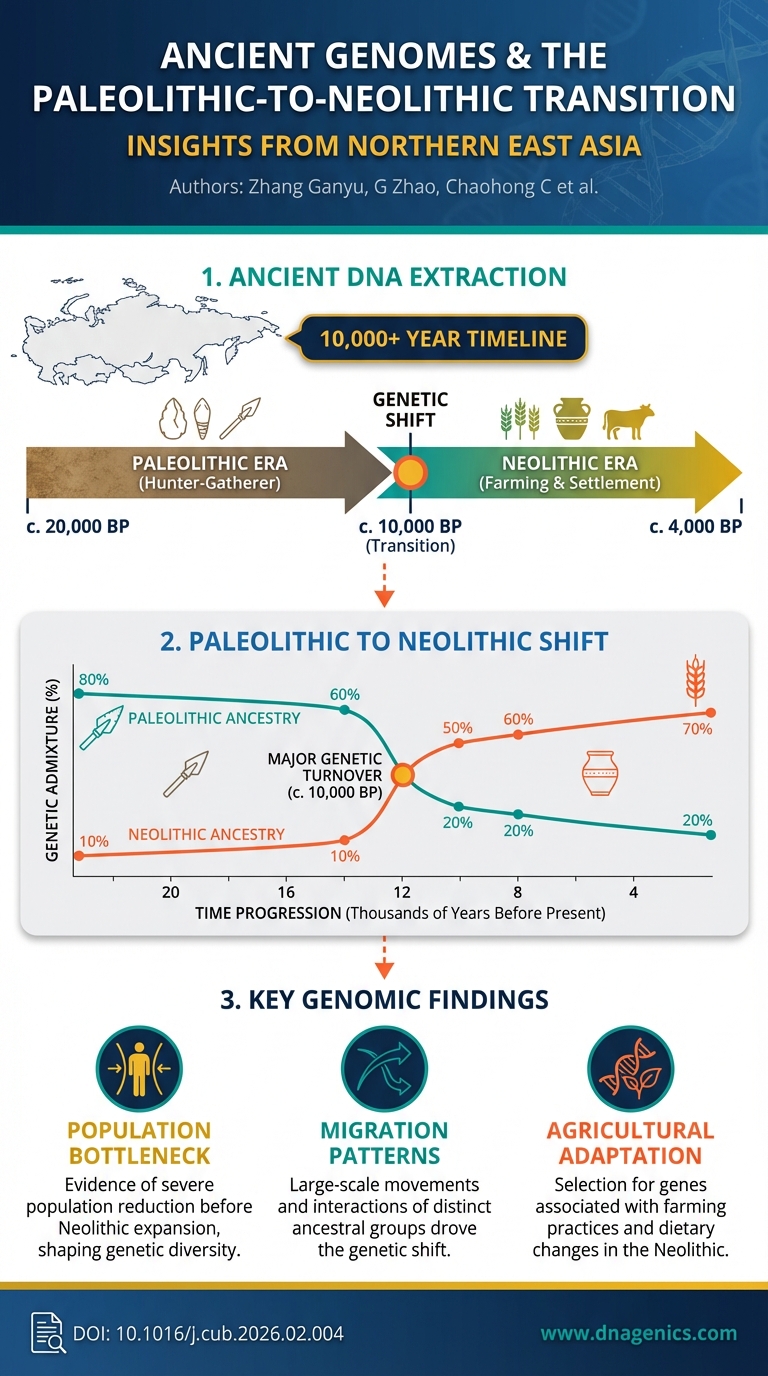
New ancient genomes from the Donghulin site illuminate the Paleolithic–Neolithic shift in northern East Asia, revealing a deep lineage and complex population changes during early farming.
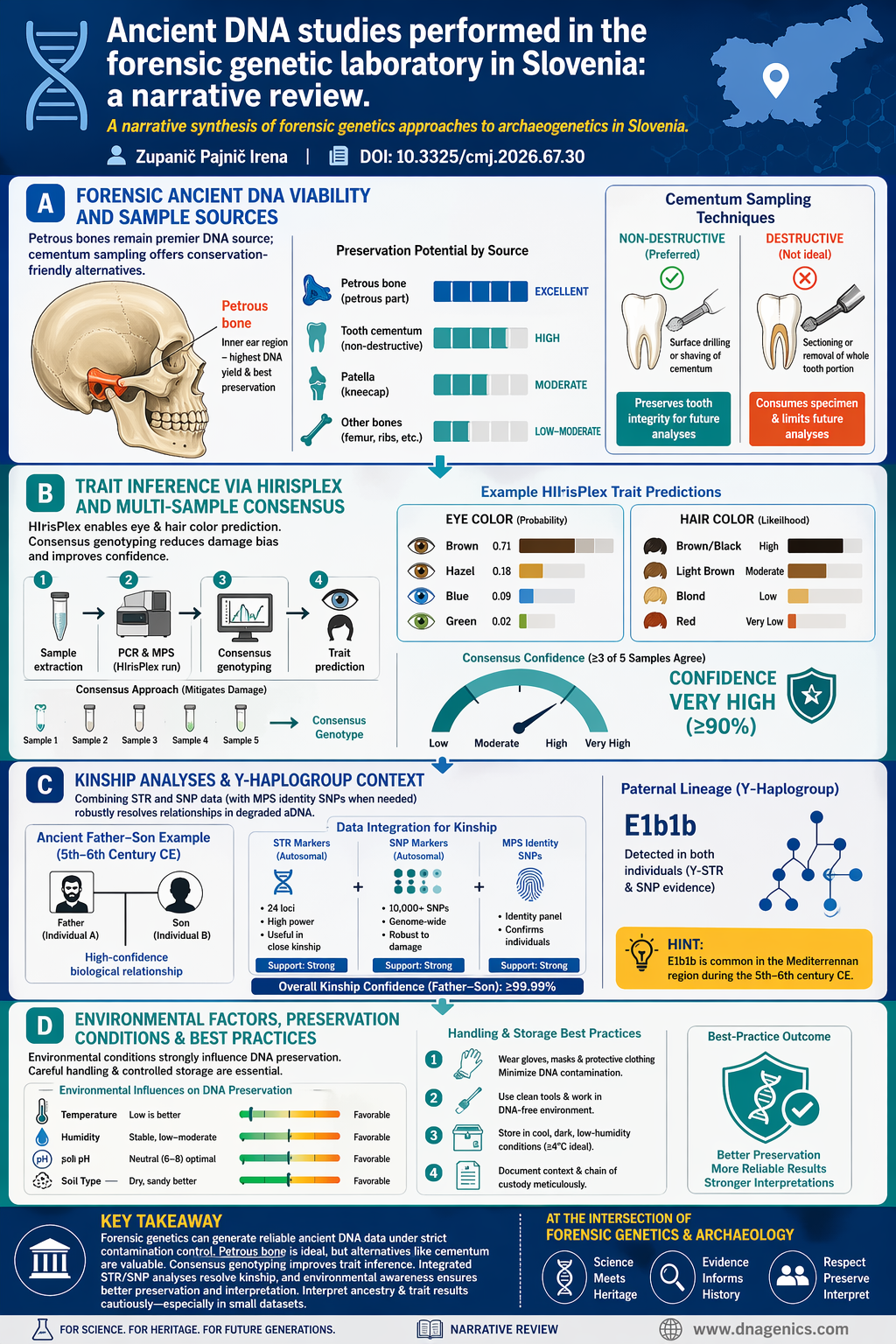
A Slovenian study demonstrates that forensic genetics tools can unlock ancient DNA from skeletal remains, revealing preservation patterns, non-destructive sampling options, kinship signals, and trait predictions.

Discover how 1x low-coverage sequencing enables reliable DNA relative matching at a lower cost, broadening access to ancestry insights. This post covers methods, findings, and implications for your DNA journey.
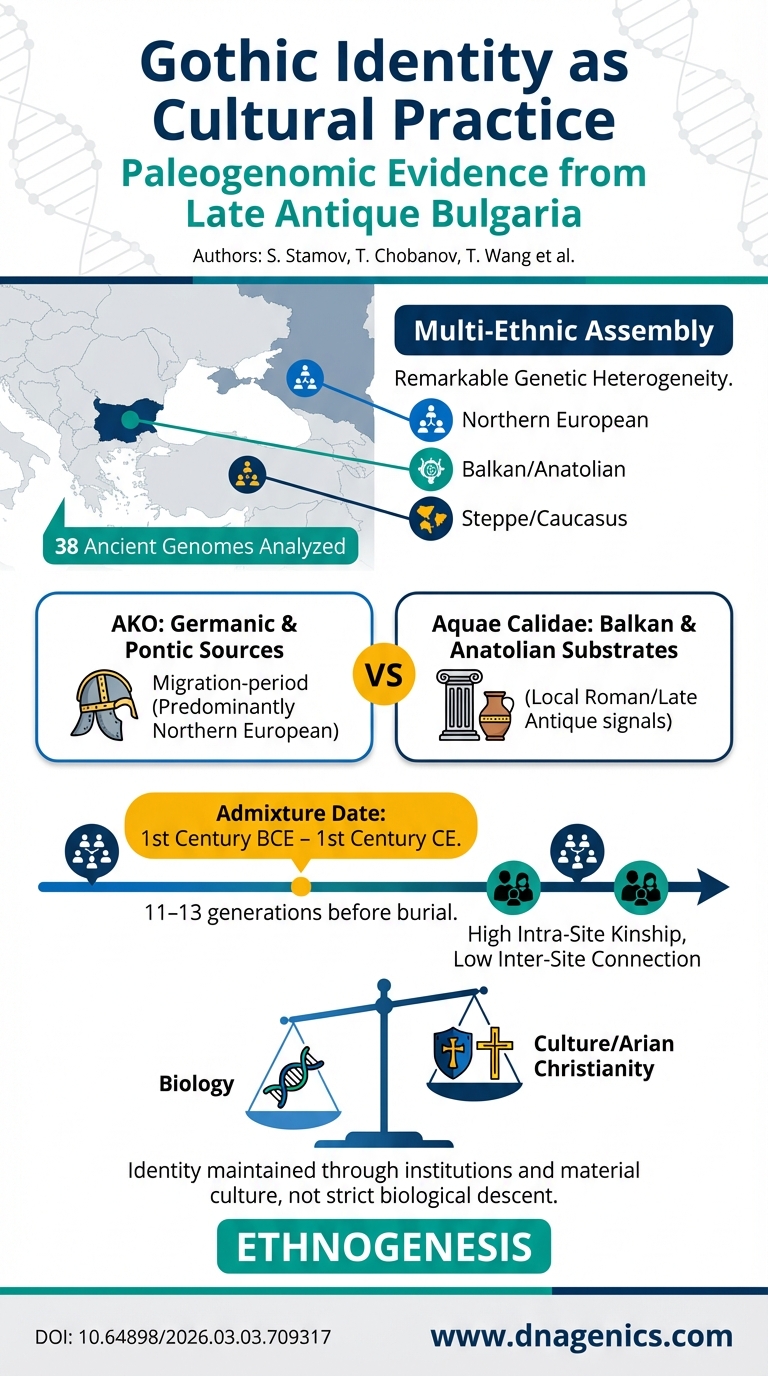
Genome-wide data from Gothic-era burials in Bulgaria reveals a mosaic of ancestry and enduring cultural identity, challenging one-to-one links between culture and genetics. Discover how this reshapes our view of Gothic ethnogenesis.
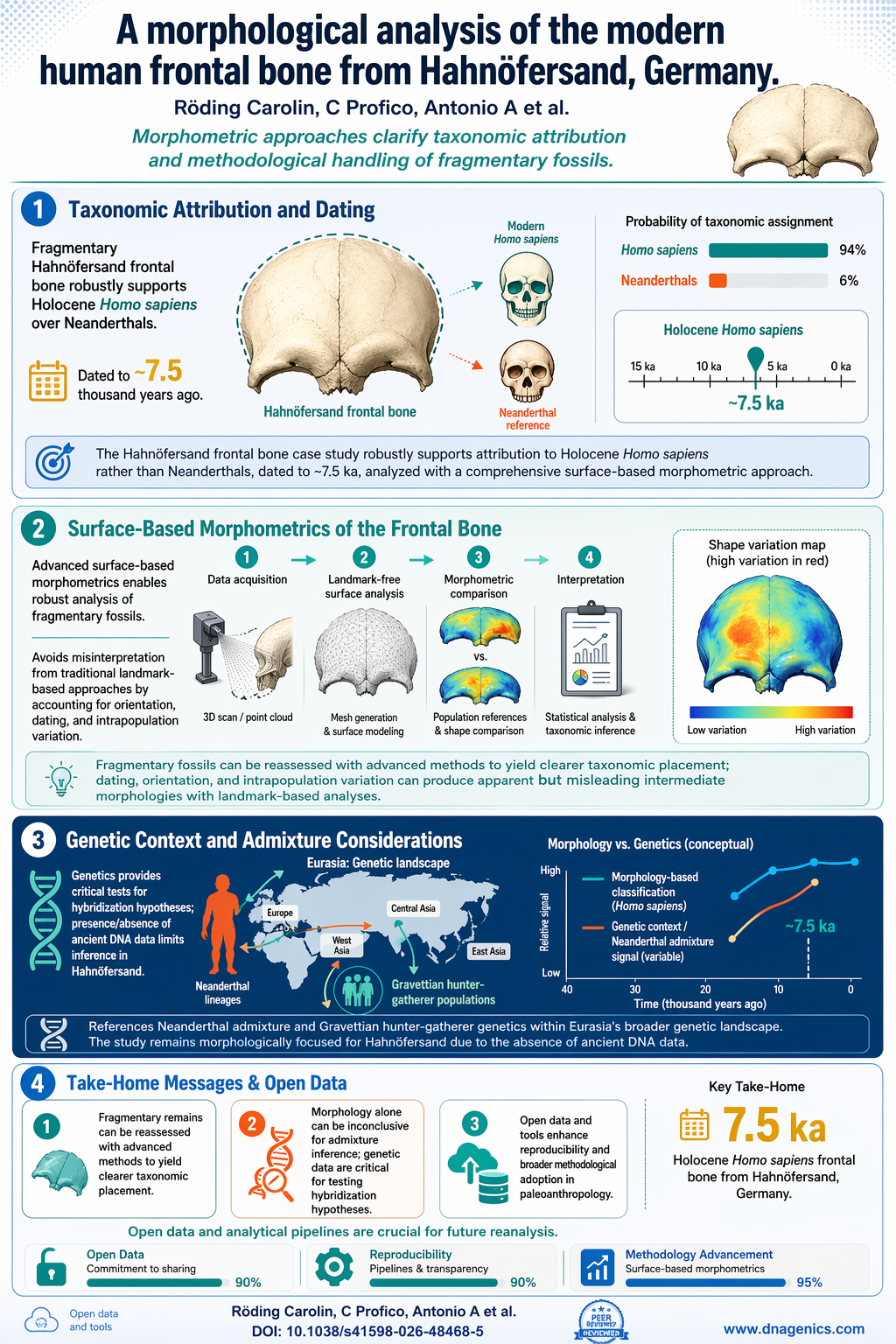
A landmark-free 3D surface analysis places Hahnöfersand’s frontal bone within Holocene modern humans, dispelling earlier Neanderthal admixture claims and highlighting advanced morphometric methods for fragmentary fossils.
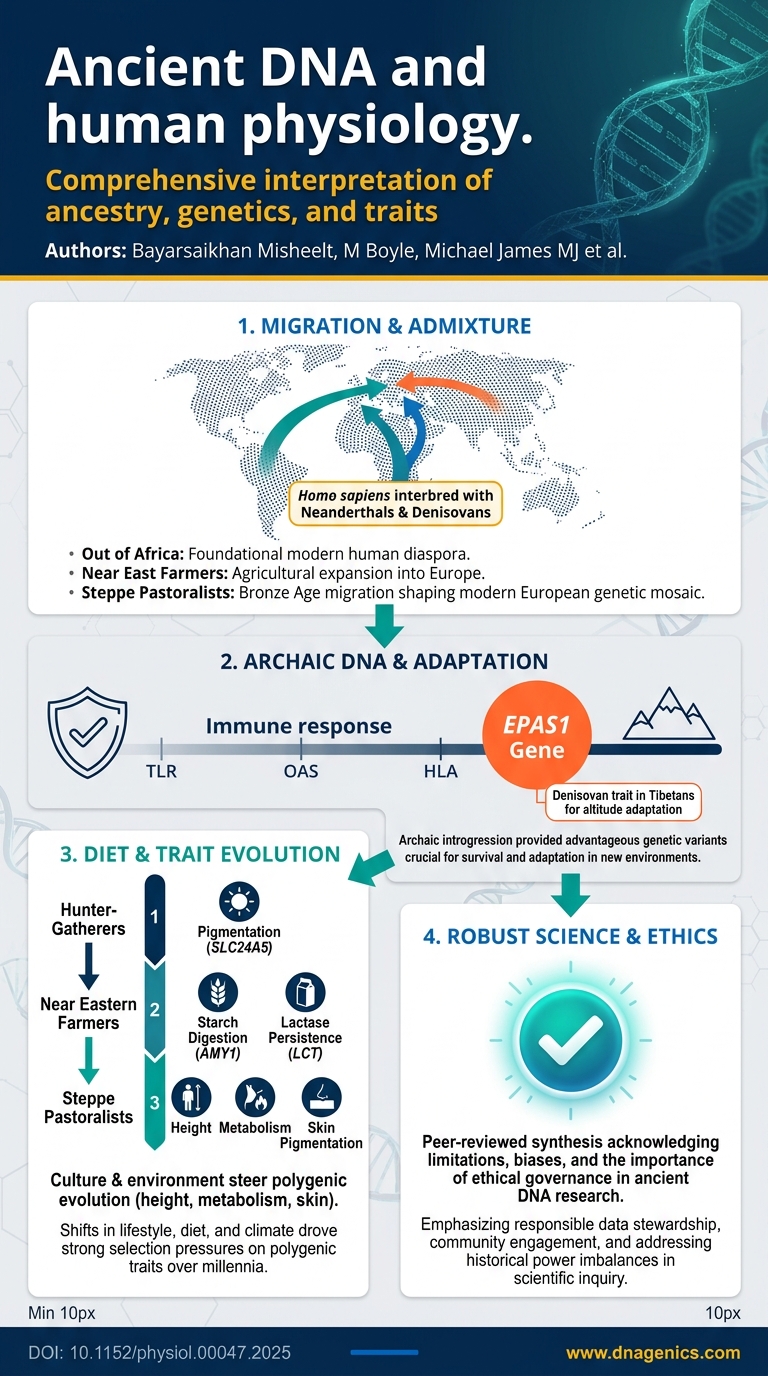
A landmark synthesis showing how migrations, diet shifts, and ancient pathogen exposure sculpted human physiology across millennia. From lactase persistence to high-altitude adaptation, explore the DNA behind our bodies.
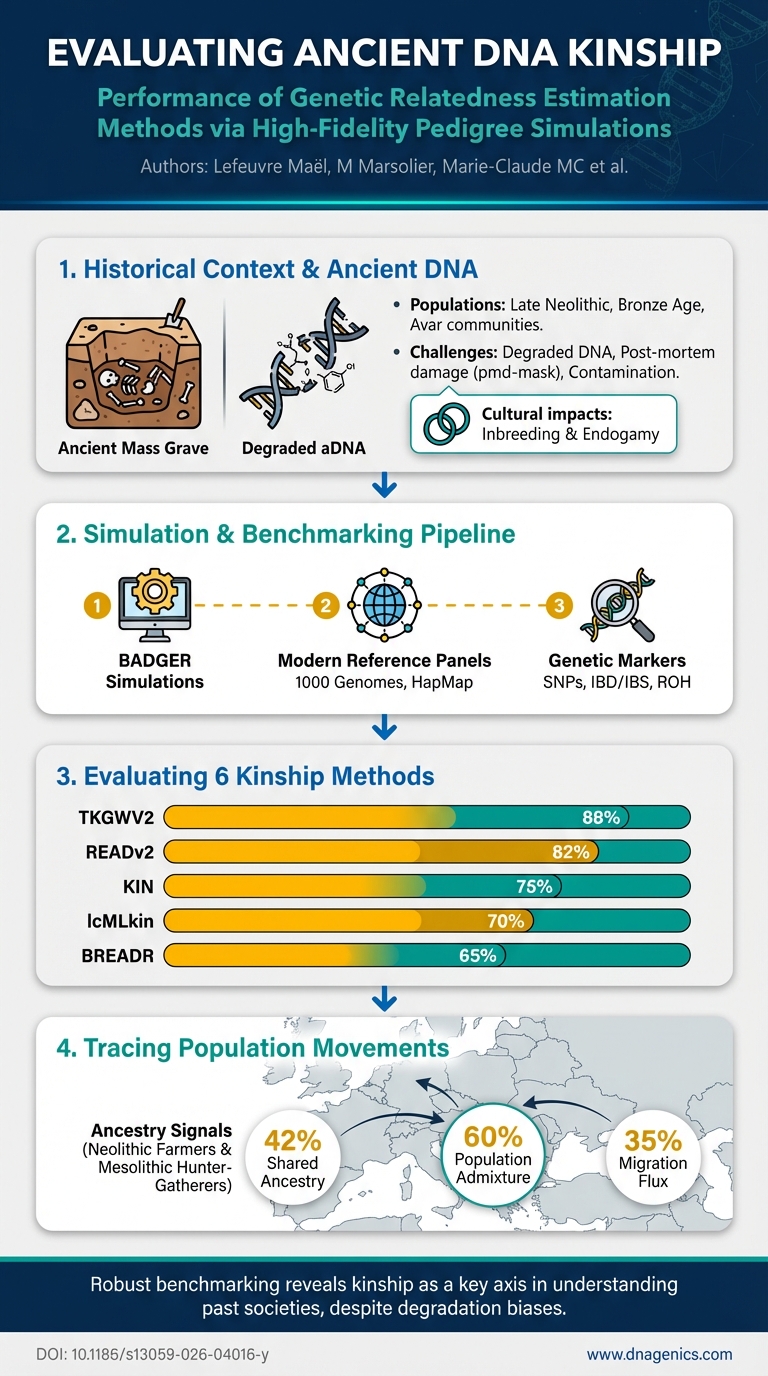
BADGER benchmarks six ancient DNA kinship methods across coverage, damage, contamination, diversity, and inbreeding, revealing biases and guiding confident ancestry interpretations.
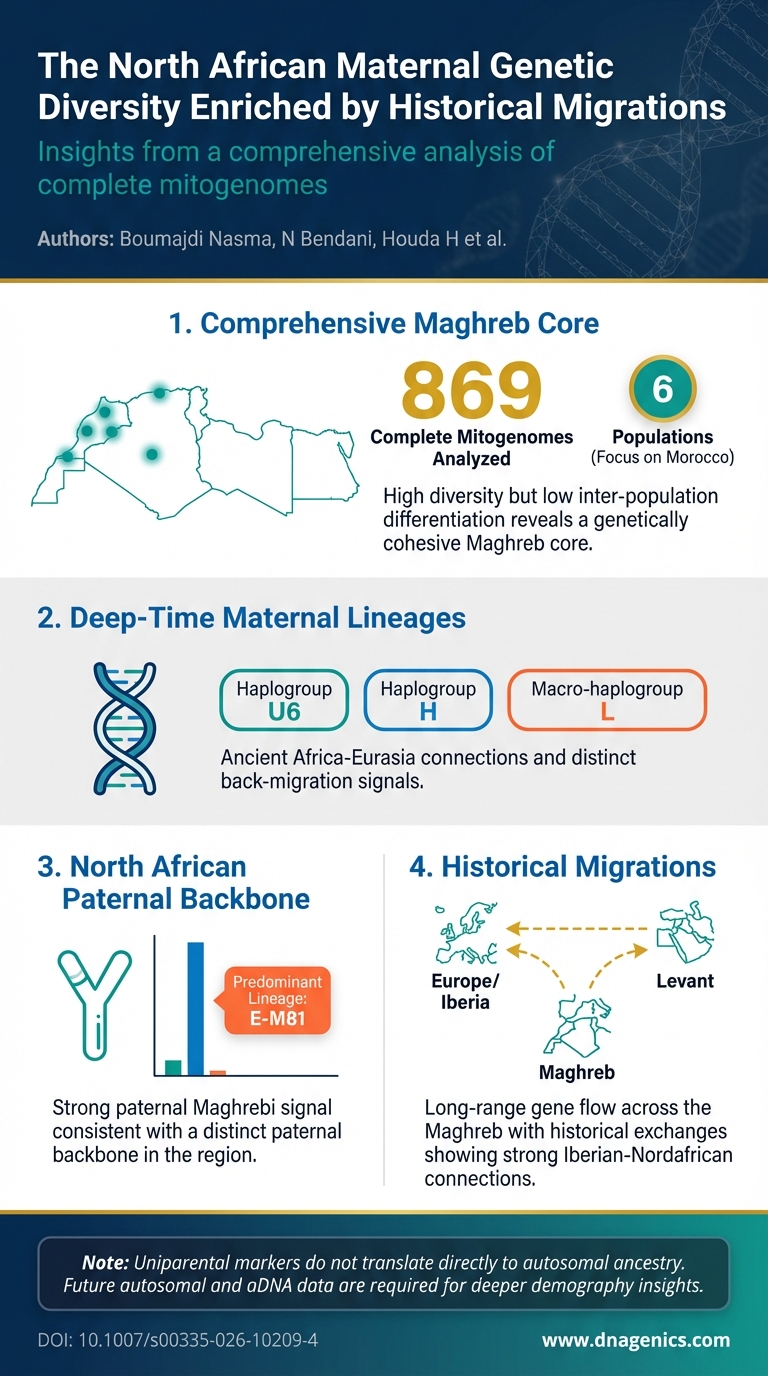
New insights into North Africa’s maternal genetics from 869 complete mitogenomes across six populations reveal a cohesive Maghreb core, dominant haplogroups, and migration signals shaping regional ancestry.
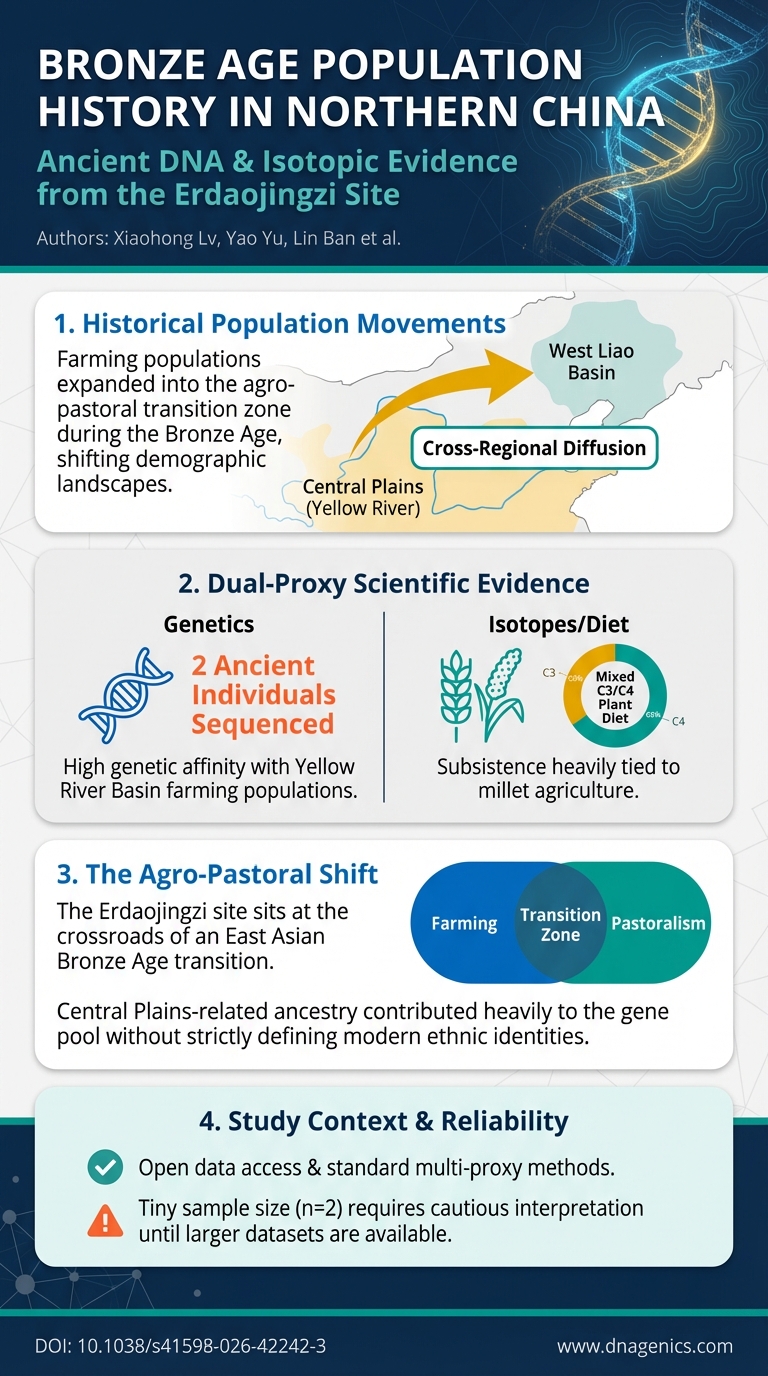
New Bronze Age findings from Erdaojingzi reveal Central Plains–related ancestry and millet-based subsistence in northern China, using ancient DNA and isotopic evidence.
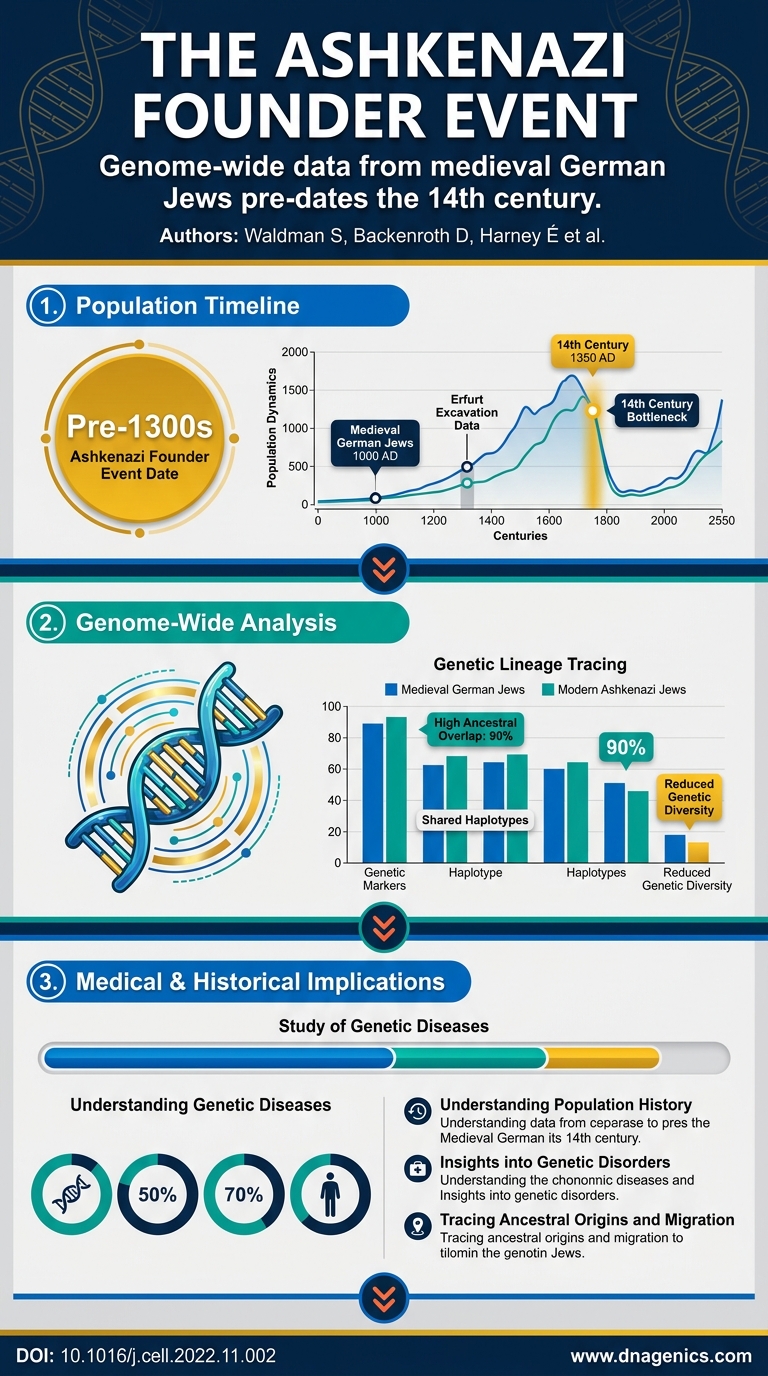
New genome-wide data from 14th-century Erfurt extends the Ashkenazi Jewish timeline, showing a founder event before the 1300s and revealing medieval genetic heterogeneity that shaped modern AJ.
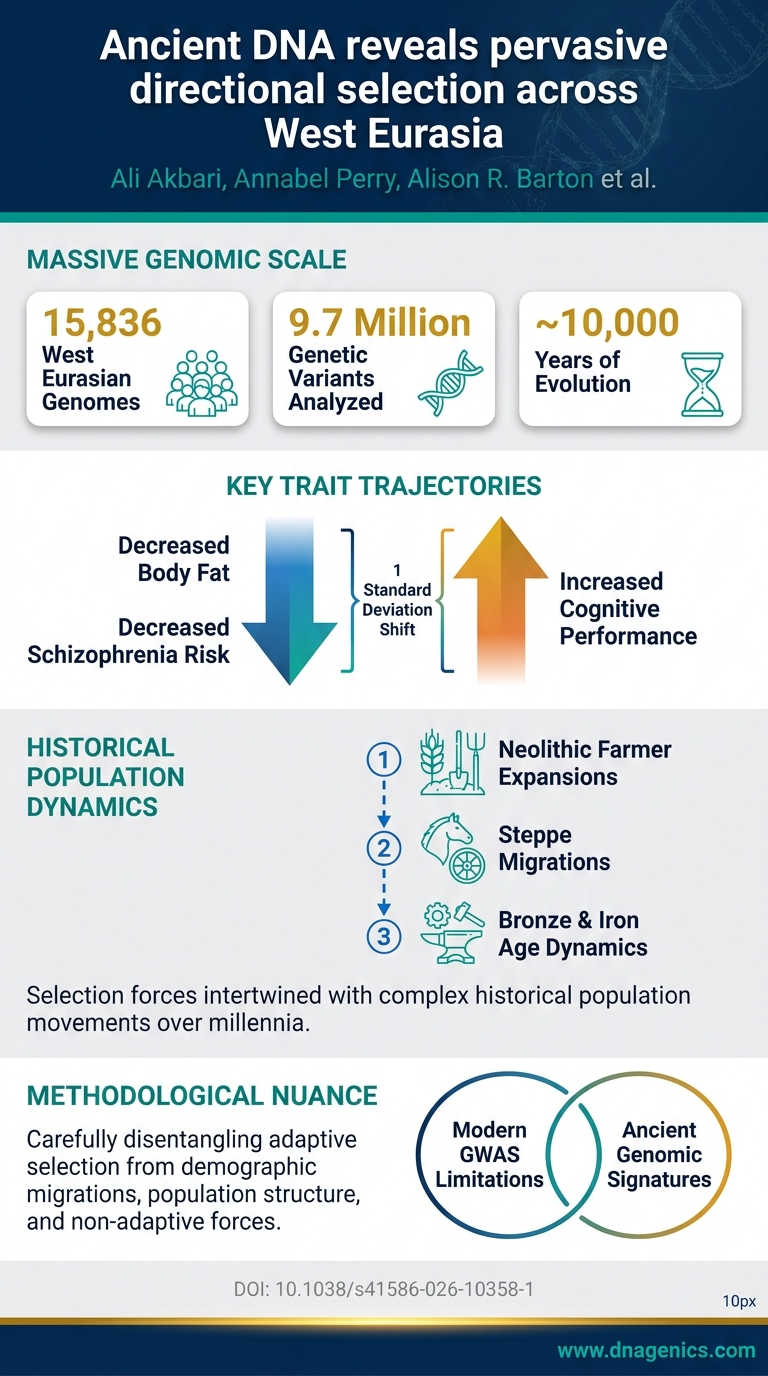
A landmark ancient-DNA study analyzes 15,836 West Eurasians to detect sustained directional selection over 10,000 years, showing hundreds of allele changes and shifts in polygenic traits.
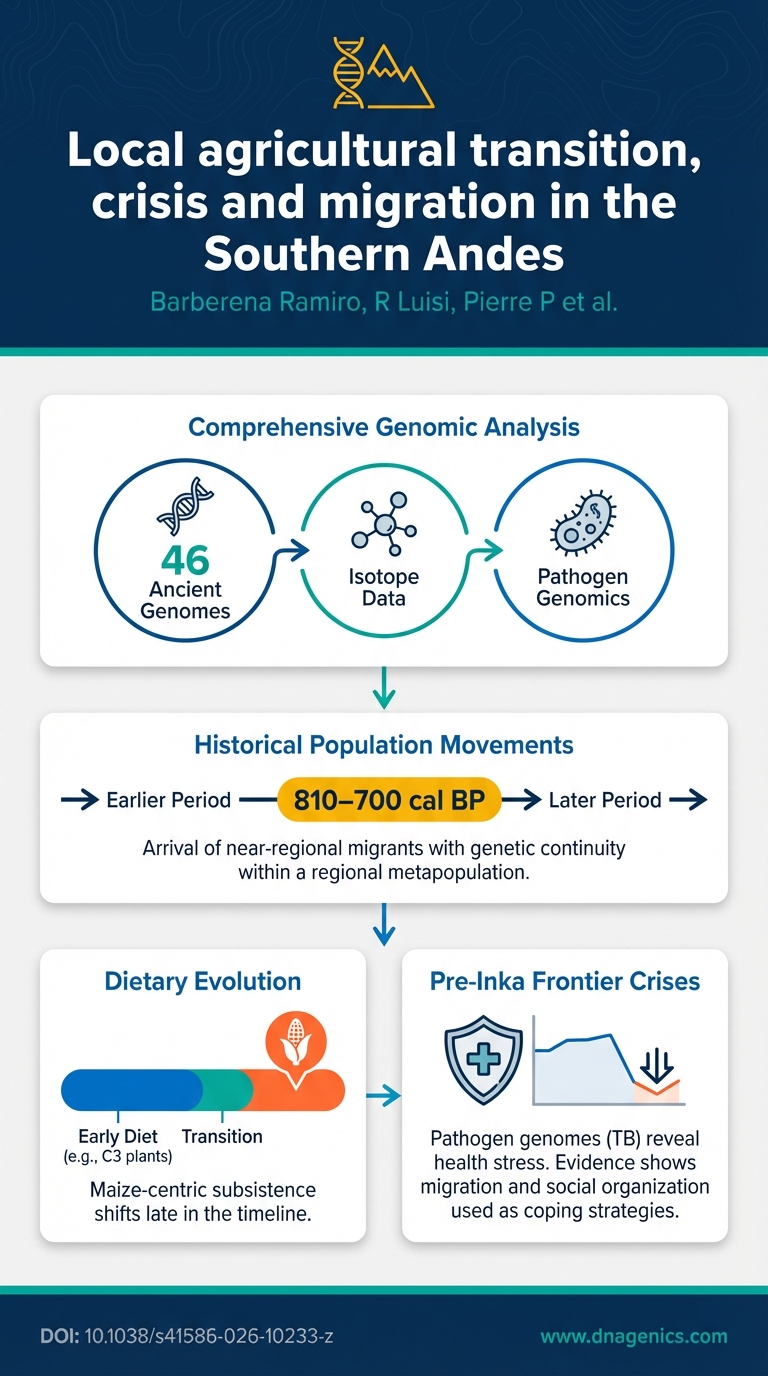
New ancient genomes and multi-proxy analyses illuminate a late farming frontier in the Southern Andes, revealing local continuity, migrant influx, maize-driven subsistence, and resilience strategies before the Inka expansion.